-------- Original message --------
From: Editors at JSTOR Daily <daily@jstor.org>
Date: 3/14/24 4:51 PM (GMT-05:00)
To: Subscriber Daily <tqnews@hotmail.com>
Subject: Up the Junction: A Place, A Fiction, A Film, A Condition
| | To ensure delivery of your JSTOR Daily please add daily@jstor.org to your address book. | | | | | | | | | | | | If you think of the band Squeeze—the English rock group led by Glenn Tilbrook and Chris Difford, whose catchy New Wave/power-pop tunes first achieved prominence in the late 1970s—one of the first songs likely to come to mind is "Up the Junction," which hit #2 on the UK charts in 1979.
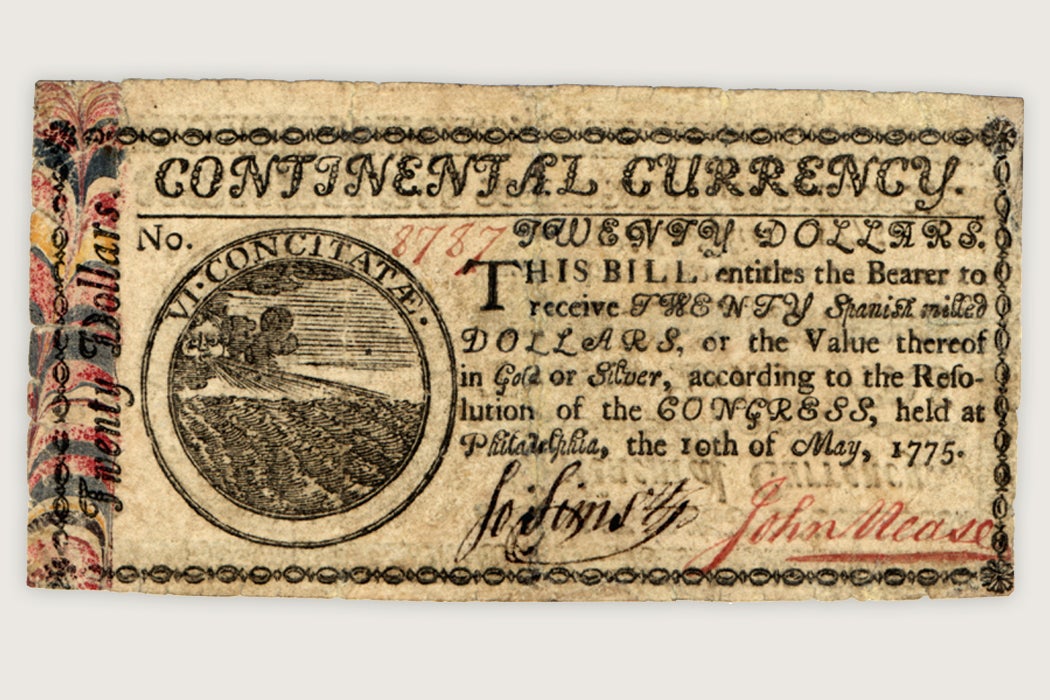
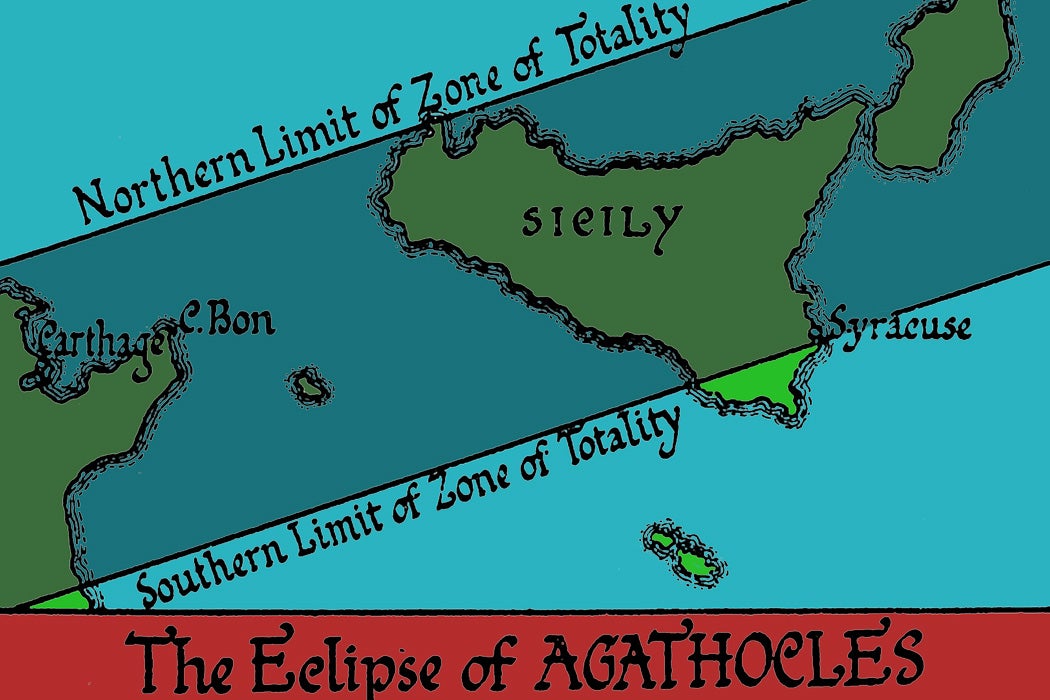
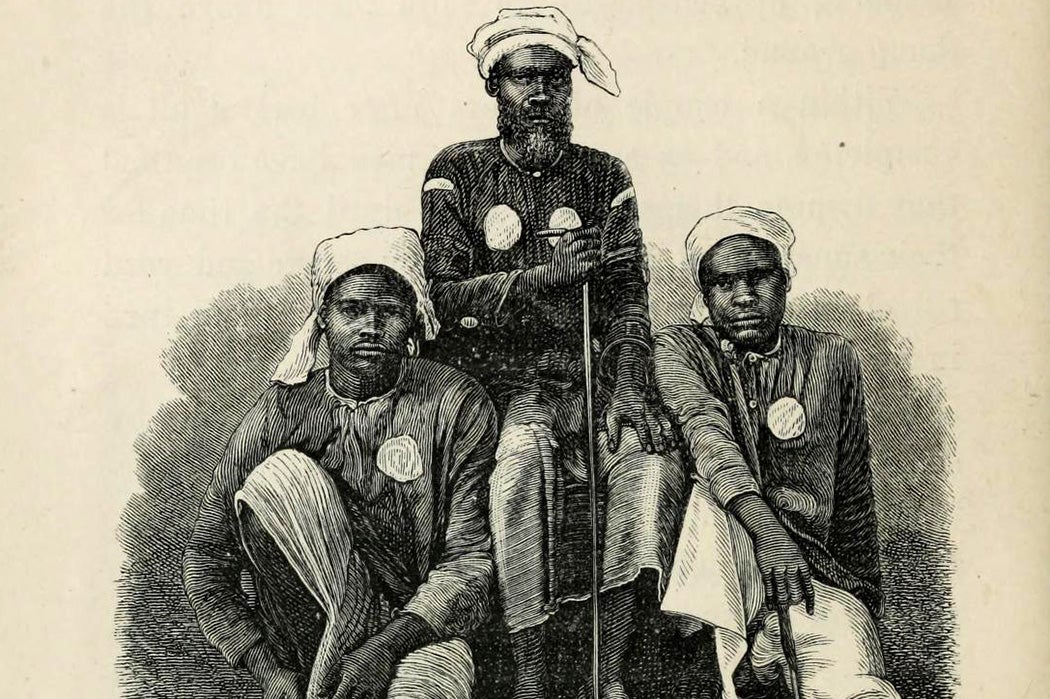
But what does it mean, to a Londoner, to be "up the junction"? The phrase has two connotations: most literally, it suggests going to the area near Clapham Junction in Battersea. More metaphorically, "up the junction" means "in a tough spot; in a fix," in trouble, roughly equivalent to the American phrase "up a creek without a paddle." By association, it's sometimes used to mean "pregnant." This latter connotation connects to the specific inspiration for the Squeeze lyrics. As Helen Barrett points out, Difford as a child in 1960s "was drawn to television plays, among them a BBC adaptation of Nell Dunn's Up the Junction." | | | | | | | | | | | | | | | "Chicago May" was a classic swindler who conned her way around the world in the early twentieth century. She was also a sign of hard times. Read more... | | | | | | | | | | China had a long history of astronomy before the arrival of Europeans, but the politics of absolute rule led to the eventual embrace of Western methods. Read more... | | | | | | | | | | | | | | | | | | | | | Marbled paper was a way to make banknotes and checks unique—a critical characteristic for a nascent American Republic. Read more... | | | | | | | | | | | | | Without formal training as an architect, Gray created magnificent designs that sensitively blended traditional craft with a modern aesthetic. Read more... | | | | | | | | | | Scientists' approach to dating past eclipses changed when they stopped treating classical texts as authoritative records. Read more... | | | | | | | | | | Kidnapped and sold into slavery, Mbarak Mombée was critical to the success of the most celebrated nineteenth-century European expeditions in Africa. Read more... | | | | | | | | | Contact Us One Liberty Plaza, 165 Broadway, 5th Floor, New York, NY 10006, USA
daily.jstor.org | daily@jstor.org |  @JSTOR_Daily | @JSTOR_Daily |  Facebook Facebook
©2004-2024 ITHAKA. All Rights Reserved. JSTOR®, the JSTOR logo, and ITHAKA® are registered trademarks of ITHAKA. Interested in advertising with JSTOR Daily? Contact us.
If you prefer not to receive email messages from JSTOR Daily in the future, you may unsubscribe here. | | | | | | | | | |








Comments
Post a Comment